Genetics Coloring Pages
Explore genetics through printable educational illustrations for curious learners, families, and classrooms.
47 free sheets · PDF & PNG · US Letter & A4
Explore the sheets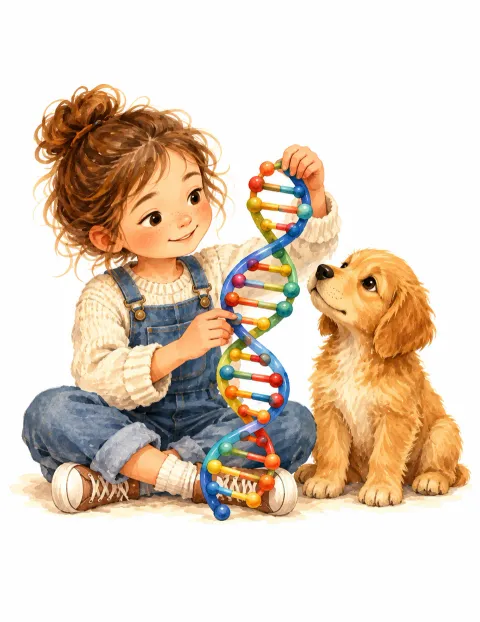
Pick your next coloring page
Print a favorite now, or add a few to your print cart.


About these genetics coloring pages
Discover genetics through observation, structure studies, real settings, and visual comparisons. Subjects include DNA double helix, paired chromosomes, pea plant traits, seed shape inheritance, family resemblance in rabbits.
Choose a simple study or a more detailed scene, then discuss the shapes, parts, and relationships you notice. Download available sheets as printable PNGs or PDFs for home or classroom use.
Coloring tips and activities
- Look closely at the subject before choosing colors.
- Compare the illustration with a real specimen, model, or trusted reference.
- Talk about the visible parts and how they work together.
Frequently asked questions
- Can these pages be used for learning?
- Yes. Use them for observation, vocabulary discussions, and creative classroom activities. These unlabeled illustrations are learning companions rather than scale drawings.